
Content note: this story touches on suicide.
The last words between us were the kind you say when you’re sure there will be a next time. There wasn’t. This is a story about losing a parent from the other side of the world, about a night he once told me he wanted it all to end, and about the grief and regret of the comfort I never gave him.
The last thing I ever said to my father, I said to a phone screen.
Before his final operation, he sat in a wheelchair in a hospital in Korea, and I sat in my kitchen in Perth, and we looked at each other through a video call. “Sijeong-a,” he said, “this is the last one. If this one doesn’t work, that’s it.” He didn’t mean he was going to die. He meant he was going to hold on. So I did what you do. I cheered him on. “Dad, you’ll do well. See you later.”
I was sure I would see his face again. I never said, “Goodbye, Dad.” It didn’t cross my mind that I needed to.
The silence between his sermons
I knew my father loved me. But somewhere in my teenage years, we stopped talking to each other and started talking past each other.
He gave long talks. Not scoldings, exactly. More like sermons, or history lessons: long winding stories with a lesson at the end, and no room in them for my side. I had things I wanted to say. There was never a gap to say them in. So I rebelled the only way that seemed to work. I went silent. I let him talk, and I waited for it to end.
Years later, he sent me a long email. This time I answered. I answered it point by point. I took his words apart, and when he wrote about Mum, I told him to take a hard look at himself first. I was sharp. I was merciless.
My gentle father never replied.
That silence tells me how much it hurt him. I think now that all he wanted was a little comfort, and I handed him a verdict. The one time I finally spoke, I didn’t open a conversation. I closed one.
The year the world shut its doors
In 2021, in the middle of the pandemic, his car suddenly accelerated in the underground car park of his apartment building and hit the wall. There wasn’t a mark on him, but his bowel had ruptured. That night an ambulance took him to another city for emergency surgery.
No one was allowed to visit. Mum and my brother could only hear how he was through a hired carer. From Perth, I couldn’t even do that much: if I flew home, I would have to quarantine for seven days before I could see anyone.
So a new routine began. Every morning and every evening, we video-called Dad. Half a world away, my children were finally making memories with their grandfather.
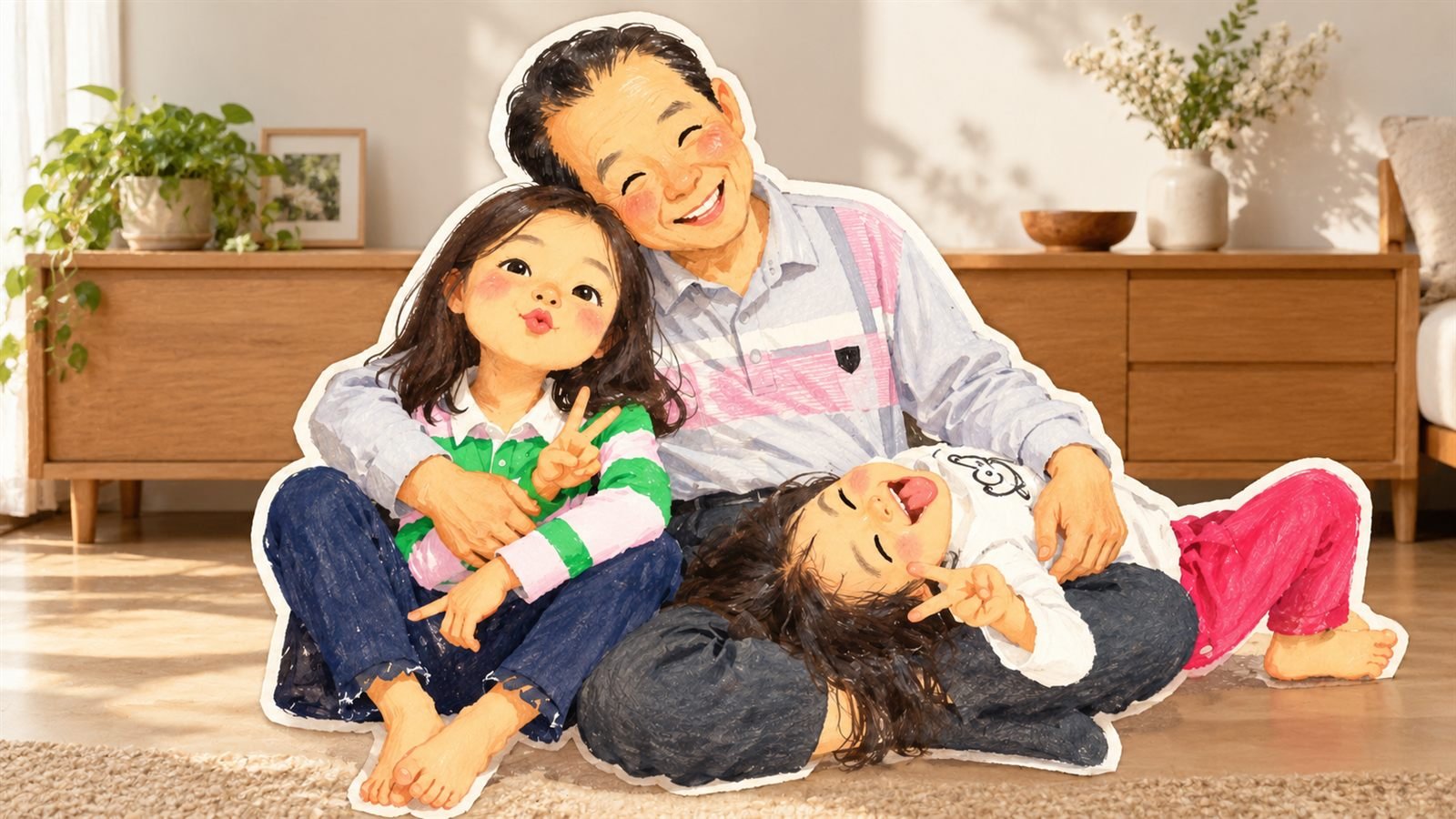
He needed two more operations, and his body kept breaking down instead of healing.
His death was sudden. A Korean funeral lasts three days; it would be over before my quarantine ended. So many people came, I’m told. A good man, they said. A man so honest he never needed a law to keep him straight.
His daughter was not in that room.
The night he stopped the car
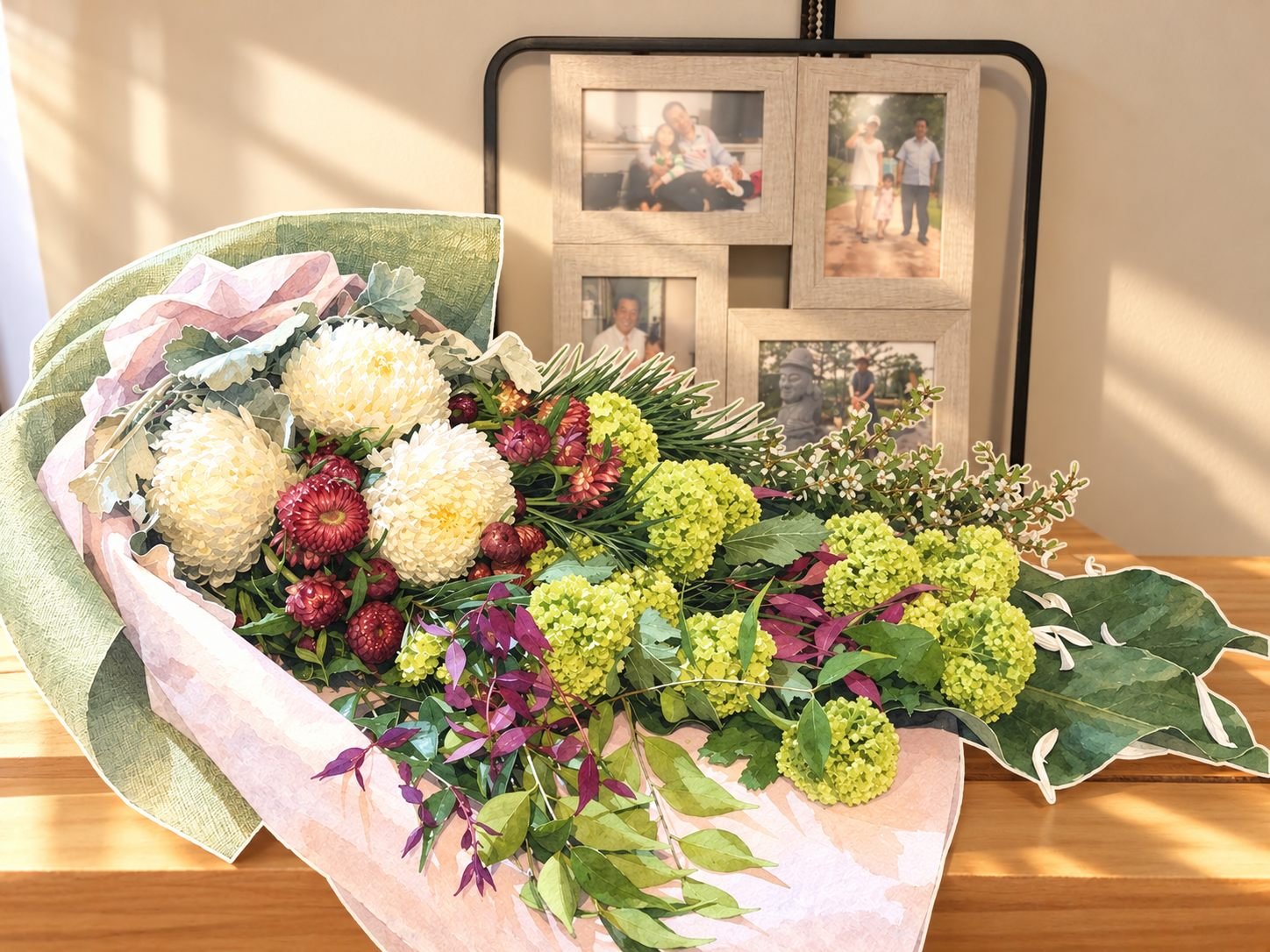
In Perth, I held my own small ceremony. I put flowers in front of his photograph and said goodbye to him there. And the whole time, a thought kept creeping in, the kind grief invents in the dark: what if he had chosen to go? What if the car hadn’t run away from him at all? There is no proof. It may be nothing more than a story my grief keeps telling me. But I can’t stop thinking it.
And my mind kept going back to one winter, years earlier.
I was home for a short break during university holidays. My father was close to retirement and had finally found work at a small hospital, running its pathology lab and administration, the work he had always done. But he had a large debt to repay, so at night he started driving a taxi.
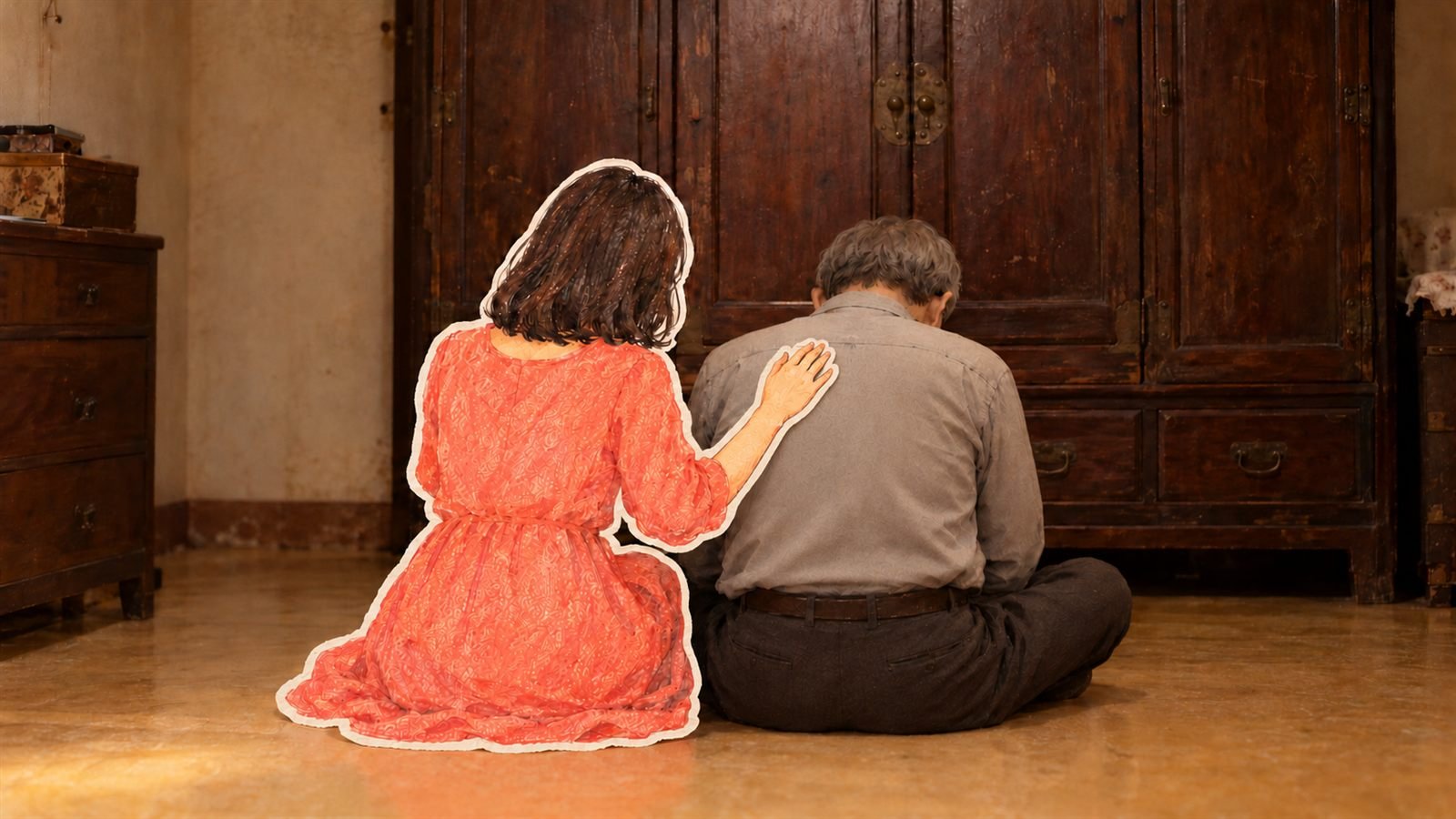
One evening he called me over and sat me down. “Sijeong-a,” he said. He told me that while he was driving at night, a thought had come to him: if I just turn the wheel, it will all be over. The thought frightened him so much that he had to pull over and stop the car.
For once, he wasn’t giving a lesson. He was telling me something true. And I gave him nothing back. What I felt was not what a daughter should feel. Resentment. Maybe contempt. Blame, for a father who couldn’t fix things.
Now that moment plays in my head as clearly as if it were happening today. My father in his late fifties, full of regret for his own life. After the funeral the scene kept coming back, so often that more than once I had to pull over and cry in my car, shaking with panic.
I can still see his bent back. His eyes fixed on the floor, lost.
If I could pat that back, just once.
What I would say now
Life sent our family hardships none of us saw coming, and my father, a small, honest, hardworking man, put them on his own back. He never said, “Help me.” What he said was, “Don’t worry. This is Mum’s and my responsibility. We won’t pass a single won of it on to you.” And that is exactly what he did. Alone, at his own pace, he carried it all the way.
I know now what he was carrying: the weight of a life he could never put down, a fear he couldn’t get away from, and a loneliness he never named. I’m ashamed that I couldn’t offer him even the smallest comfort then, and I regret it more than I can say.
Sometimes I wonder: if I had answered him back then, would his long sermons have turned into a conversation?
I’ll never know. But this is what I would tell him, if I could sit beside him one more time.
Dad, I understand you now. I’m sorry it took me so long. It’s all right, Dad. You did it. In the end, you did it. I’m proud of you. And thank you.
Before It Fades
Before you close this page
I can’t ask my father anything now. If there is someone you would still like to know better, a parent, a grandparent, an old friend, you could begin with one question.
I made the free Two Old Friends question cards to help start those conversations between parents and children. Take them whenever you’re ready.
If this story leaves you distressed or brings up thoughts of suicide, please reach out. In Australia, call Lifeline on 13 11 14, any time. In Korea, call 109. Elsewhere, find a helpline near you at findahelpline.com.
With love, Esther